“I use Byrdseed to differentiate for my clustered students. I LOVE all the ideas!” ~ a teacher in Washington
Who will win the tournament of Van Gogh self-portraits!?
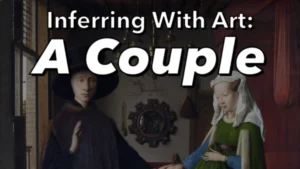
One artist, two paintings. Notice details, compare, synthesize, then find a parallel in another creator’s work.
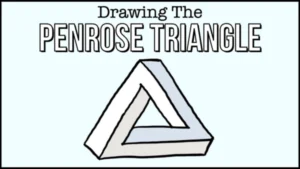
Here’s how you can draw The Penrose Triangle, an example of an impossible shape.
Pick a few numbers, draw some corresponding lines on grid paper, and you’ll end up with some interesting, looping math-y art!
Let’s give our students an art history lesson while teaching them how to enhance their drawings using one-point perspective.
A mosaic technique that makes watercolor approachable. Students walk away with something they’re proud of.
Turn your students into a bunch of Monets with q-tips and some tempera paint.
Anyone, yes anyone, can create a (somewhat) realistic self-portrait using these steps. Anyone!
Create a piece of repeating art in the style of MC Escher!
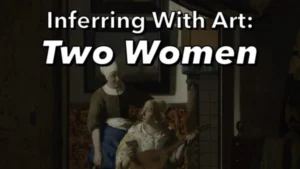
What are these two women up to? What’s that thing she’s holding? Let’s make some inferences!
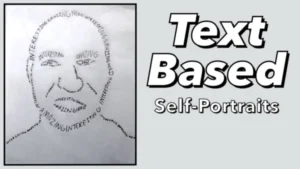
What if a students’ self-portrait was made of words that describe the student!?
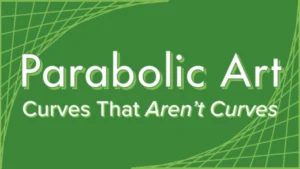
Create mathematical art with curves that, well, aren’t curvy.
What’s going on in this room? There are shoes everywhere! Are those… oranges? Let’s make some inferences!
Let’s get students’ art really popping with two-point perspective!
How to draw a more complex version of this twisty Henri Matisse knot!
Can your students tell the difference between cubism and abstract art?
You could keep zooming in on this snowflake forever!
The story of the Fabergé Eggs is heartbreaking. It’s also the perfect way to build empathy in your classroom.
Your students will turn the iconic painting The Scream into a vivid, sensory poem.
What if this triangle pattern just kept repeating… forever!?
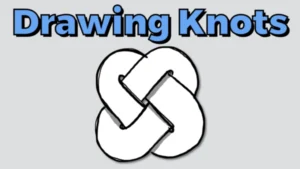
How to draw a simple version of this twisty Henri Matisse knot!
What’s going on in this painting? Who is that guy? What’s his job? And where’s his other boot?
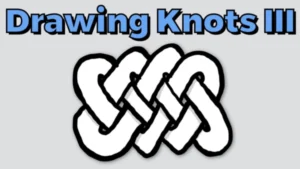
How to draw the final version of the twisty Henri Matisse knot!