Grade 4
-
Strand 1
-
Strand 2
-
Strand 3
-
Strand 4
-
Strand 5
-
Strand 6
-
Strand 7
-
Strand 8
-
Strand 9
-
Strand 10
-
Strand 11
-
Strand 12
-
Strand 13
TEKS ELA Standard: 4.10.D
describe how the author’s use of imagery, literal and figurative language such as simile and metaphor, and sound devices such as alliteration and assonance achieves specific purposes
Author’s Voice: Jack London
Every great author sounds like no one else. Students learn to hear an author’s voice with Charles Dickens’s dramatic A Christmas Carol, then borrow Jack London’s rugged voice, turning a flat, boring passage into writing that sounds just like him. It is reading like a writer, and it is the kind of thinking your strongest readers are hungry for.
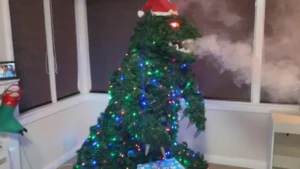
Smoke-Breathing Godzilla Tree
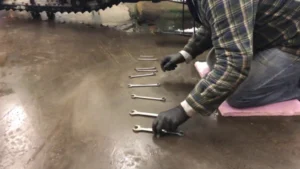
Jingle Bells on Wrenches
Extreme Closeup in Slow Motion
Blue Flames of Kawah Ijen Volcano
A Glowing Turtle
Halloween Hay Bales
Dust Storm Over Phoenix

Metal Lattice Light Enough to Sit on a Dandelion

Faig Ahmed’s Surreal Woolen Carpets
Guitar Strings Vibrating Up Close
Red Hot Cannonball in Water
A Steel Table Played Like an Instrument
Insects Taking Off in Slow Motion
Pancakes That Look Like Bacon and Eggs
Danny MacAskill’s BMX Stunts on Giant Toys
Where the Yellow River Meets the Sea

Starling Murmurations

Iridescent Steam Up Close
Fruit and Vegetable Carving
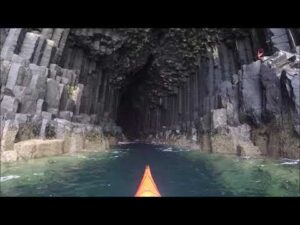
Kayaking Into Fingal’s Cave
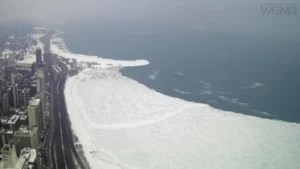
Lake Michigan Ice Breaking Away
Laika’s Stop-Motion Techniques
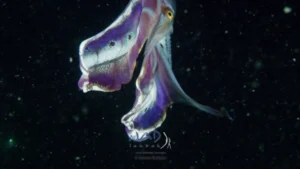
Blanket Octopus Unfurls Its Skin
Banana Juggling by Joseph Viatte
Ice Drummers Play a Frozen Lake
Pygmy Seahorse Camouflage
Snake, Stick, or Caterpillar?
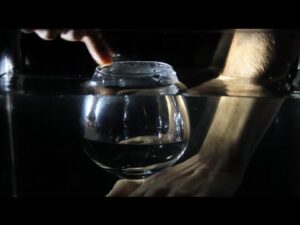
Wine Glass Played Underwater
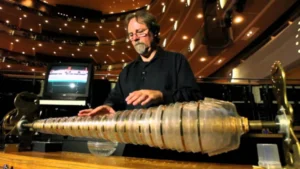
Glass Armonica
Canon in D by Train Horns
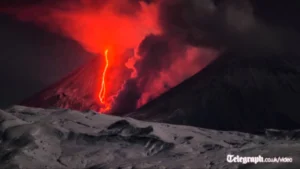
Time-Lapse Volcano Eruption

Liquid Mercury Balloon in Slow Motion

A Mirror Made Entirely Out of Fur
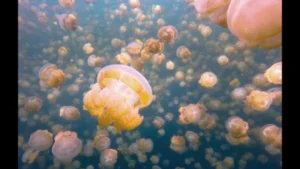
Swimming Through a Lake of Jellyfish
Super Specific Similes – Slimy Broccoli
Start with a basic simile. Now make it more specific. Now even more. Watch how much better writing gets with each round.
Super Specific Similes: Loud Class
Let’s make this simile about a loud class super specific!
Fancier Figurative Language: Use the Opposite
Let’s start with “As cold as fire.”
Fancier Figurative Language: Move the Simile
What if we started a sentence with the simile?
Doubling Up Writing: Anadiplosis
Repeating words can be what you want, if what you want is an interesting effect. (Psst, that’s an example of anadiplosis!)
Writing Technique: Opposite Adjectives
A specific technique to help students add some spice to their writing. We’ll be using antonyms to describe the same topic!
Writing Sample: The Jungle Book (Bagheera)
A passage from The Jungle Book to use as a mentor text, discussion starter, or writing prompt.
Fancier Figurative Language: Advanced Repetition
Is your students’ use of repetition limited to, “The girl was very, very, very fast.”? Let’s borrow some ideas from Shakespeare!
Advanced Alliteration and Consonance
When students learn about alliteration, it’s hard to steer them away from goofy tongue-twisters. Certainly, there must be more powerful and practical ways of using alliteration. In this lesson, I draw on delicious examples from Shakespeare to show how a very advanced writer used alliteration. Then, I break those ideas down so students can try them out.
Writing Sample: The Wind in the Willows
A passage from The Wind in the Willows to use as a mentor text, discussion starter, or writing prompt.
Writing Sample: Moby Dick
A passage from Moby Dick to use as a mentor text, discussion starter, or writing prompt.
Writing Sample: The Fall of the House of Usher
A passage from “The Fall of the House of Usher” to use as a mentor text, discussion starter, or writing prompt.
Writing Sample: Anne of Green Gables
An intriguing passage from Anne of Green Gables to use as a mentor text, discussion starter, or writing prompt.
What’s In My Brain: Cute Baby vs Fast Cheetah
Can students spot similes vs metaphors?
Describing Author’s Voice
What if… Edgar Allen Poe wrote Alice’s Adventures in Wonderland?