“This was the best money I have ever spent on a teaching tool.” ~ a teacher in Wisconsin
We tell students to ‘show, not tell’ — but that advice is useless until they experience the difference. This lesson makes it click.
‘Add more variety!’ teachers say. But how? This lesson gives students actual techniques instead of vague advice.
Blow up a paragraph into individual sentences. Now reassemble it. The clues hiding in each sentence will surprise you.
We’ll start with the cliché “as cold as ice” and go somewhere much more interesting.
Poetry and Prose meet at a party. What would they say to each other? How would they feel about each other’s style?
Let’s take a classic Christmas poem and remix it to work with another holiday!
What if we rewrote a piece of writing without using certain letters?
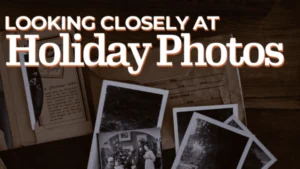
Let’s write from multiple perspectives using an old timey holiday photo!
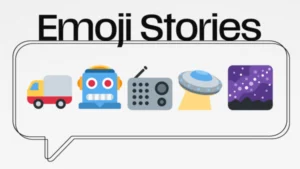
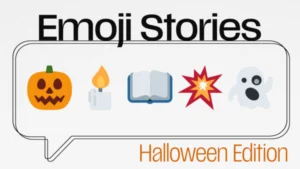
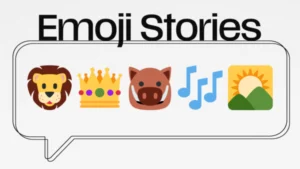
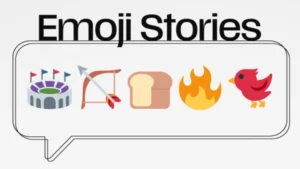
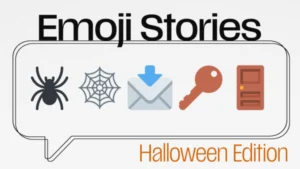
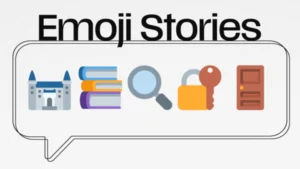
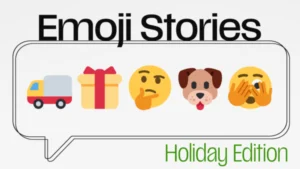
Five emoji. One story. Where will your imagination take you?
Let’s go roller skating in a Halloween costume! What could possibly go wrong?
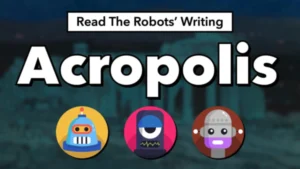
One painting of ruins. Three robots. Three pieces of writing. Who wrote it best?
Let’s make this simile about a quick baby even more specific.
Want something to do during the holiday season that is both fun and involves thinking? Get students writing about what a snowman would think about Halloween or what a ghost would think about Thanksgiving.
What if we rewrote a story’s climax into a totally different genre?
How does a drink’s packaging affect us emotionally and logically?
What happens when a pronoun could refer to more than one noun? Big problems!
Three paragraphs about baseball. They all cover the same topic — so what makes each one different? Now combine them into one super-paragraph.
Broken windows? Enjoy plenty of fresh air! Your students are real estate agents with a very hard house to sell.
Can you write directions so clear that a group of kids can put a toy together with no illustrations?
What happens when we switch out a “but” with a “so”? An “and” with a “for”? How can such tiny words make such big differences?
A passage from White Fang to use as a mentor text, discussion starter, or writing prompt.
When we try to solve a problem, sometimes we end up creating new problems. Which lead to new solutions. Which lead to new problems.
A passage from Alice’s Adventures in Wonderland to use as a mentor text, discussion starter, or writing prompt.
Can you use the context clues to get these sentences about trains back into the correct order?
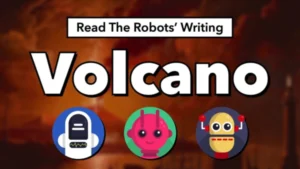
Read three pieces of writing from three different robots about the same beautiful painting of a volcano. Who wrote it best?
Sure, Dr. Seuss wrote for young students, but can older students analyze his writing and learn to mimic his style? THEN, they can produce Seuss-style poetry about any topic: Ancient China, the electromagnetic spectrum, Pride and Prejudice, and (yes) fraction division!
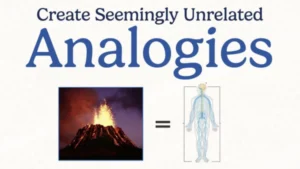
We’ll take two seemingly unrelated pieces of content (say volcanoes and the human body) and then build analogies to connect the two ideas. In the end, students can create a skit, comic, or story relating the two concepts.
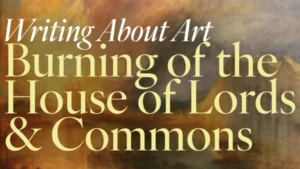
Look closely at Burning of the Houses of Lords and Commons. What do you notice? Now turn those details into a poem you didn’t know you could write.
Three paragraphs about cucumbers. They all cover the same topic — so what makes each one different? Now combine them into one super-paragraph.
What if a capybara and a kangaroo rat switched homes? Would their adaptations be helpful at all?
Can you use the context clues to get these sentences about The Great Sphinx back into the correct order?
Students use 12 random phrases to create a story that takes place at school.
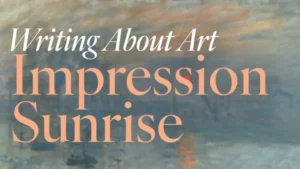
Look closely at Impression, Sunrise. What do you notice? Now turn those details into a poem you didn’t know you could write.
Have students mastered the art of anadiplosis: ending one sentence with the beginning of the next? Now it’s time to take it to the next level!
Let’s take a starting phrase about St. Patrick’s Day and get specific. No, even more specific!
Starting with an old-timey photo, students will write from a particular item’s point of view.